
THE NET
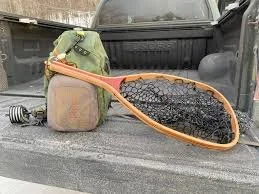
I didn’t grow up fishing. I don’t have nostalgic memories of carrying an old tackle box to a lake with my dad or grandfather, learning how to cast just right, avoid spooking the fish, or handle a catch with care. For a long time, I assumed fishing was simple: stab a worm on a hook, toss it into the water, and hope some prehistoric creature bites. Reel it in. Toss it back or throw it in a cooler.
When I took up fishing later in life, I still carried the exuberance of a kid every time I hooked a fish. Most of the time, I had a guide or a more experienced friend nearby—someone to help unhook the fish safely, hold it for a quick photo, and make sure it swam away strong.
One day, I found myself alone on the river. I hooked a good fish and suddenly realized I was on my own. No help. No safety net—literally. I figured it out well enough, but I came away with what felt like an obvious lesson: I should always bring a net. It would make things easier for me.
I was right. And I was wrong.
What I learned is that the net isn’t primarily for the angler—it’s for the fish. The right net reduces harm, shortens the struggle, and dramatically increases the chance the fish swims away healthy. That small act reflects a larger ethic: take care of what’s been entrusted to you. That’s stewardship.
Stewardship gets thrown around in business as a buzzword—an aspiration, a slide on a deck, a stated core value. For me, it runs through everything I do. When I walk into a client engagement, I take my shoes off—figuratively, of course. I’m a guest in their house. I’m not there to judge; I’m there to help.
Clients trust me with some of their hardest problems because I treat that trust as something to be protected. The solutions we build have to fit their culture, their constraints, and their reality. That’s why I treat relationships as assets, with measurable returns. As part of delivery, I track satisfaction, handoffs, and onboarding—not as overhead, but as core components of successful outcomes. Reliable processes that minimize missteps and maintain alignment are often invisible—right up until they’re missing.
Like a fishing net left in the truck when you’ve got the fish of a lifetime on the line.